Streaky windows are one of the most frustrating cleaning challenges. You spray, you wipe, you step back — and there they are, streaks catching every ray of sunlight. The good news: achieving truly streak-free windows is not complicated. It comes down to technique, timing, and the right tools.
Why Streaks Happen
Streaks form when cleaning solution dries before you can wipe it away, leaving behind a thin residue. This happens most often when you clean in direct sunlight, use too much product, or wipe with the wrong material. Paper towels are a common culprit — they leave lint and do not absorb evenly.
The Right Tools
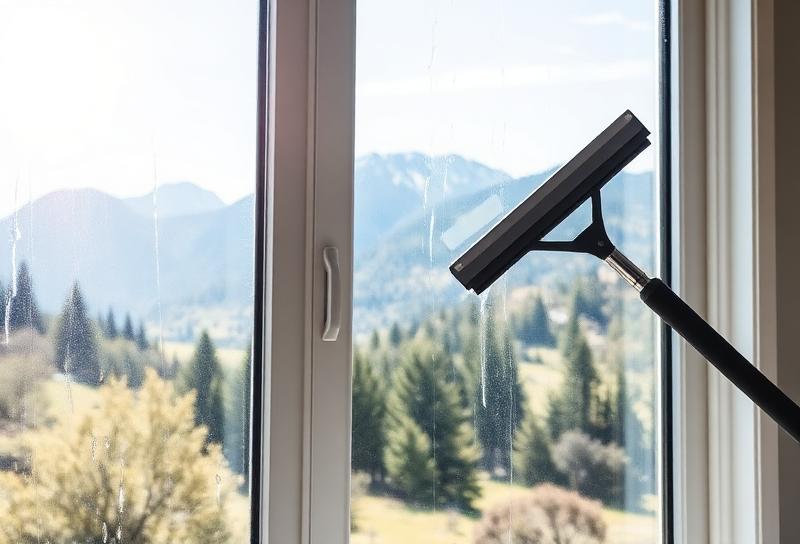
A professional squeegee is the single best investment for window cleaning. Look for one with a brass or stainless steel channel and a sharp rubber blade. Replace the blade when it starts leaving lines.
A microfiber cloth for detail work around edges and corners. Unlike paper towels, microfiber picks up residue without leaving fibers behind.
A scrubber or strip washer to apply the solution. This T-bar style applicator with a fabric sleeve distributes solution evenly across the glass.
The Best Cleaning Solution
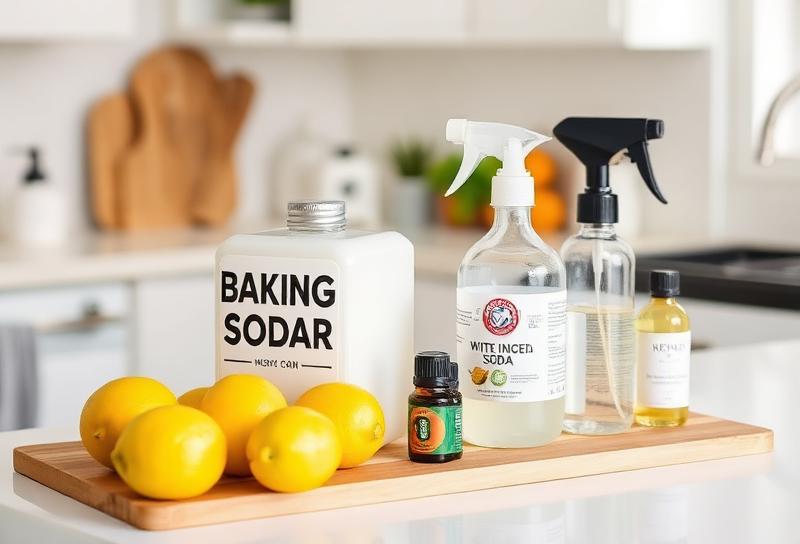
Skip the blue spray bottles. Professional window cleaners use a simple mixture: a few drops of dish soap (Dawn works great) in a bucket of warm water. That is it. The soap cuts grease and grime without leaving a residue that causes streaks. We cover more homemade recipes in our natural cleaning solutions guide.
For extra sparkle, add a splash of white vinegar. Avoid ammonia-based cleaners on tinted windows — they can damage the film over time.
The Technique
- Scrub the entire window with your strip washer, applying the soapy solution generously. Do not be shy — the glass should be wet.
- Start your squeegee at the top corner. Pull it across the top of the window in a straight horizontal line. Wipe the blade with a clean cloth after each pass.
- Overlap each pass by about an inch to avoid leaving unwiped strips.
- Work your way down the window, maintaining consistent pressure and keeping the blade flat against the glass.
- Wipe the edges with a dry microfiber cloth to catch any drips along the frame and sill.
Pro Tips
Never clean windows in direct sunlight. The heat causes the solution to evaporate too quickly. Overcast days or shaded windows give the best results. This is especially important during spring cleaning season when the sun gets stronger.
Clean screens first. Dirty screens transfer grime back onto clean glass when the wind blows. Remove them, scrub with soapy water, rinse, and let them dry completely before reinstalling.
Do not forget the tracks. Window tracks collect dirt, dead insects, and moisture. Vacuum them out, then scrub with an old toothbrush and soapy water.
With the right approach, you can achieve professional-quality window cleaning at home. But if you have hard-to-reach windows, second-story glass, or simply prefer to leave it to the experts, our team provides professional window cleaning across Northern Colorado.